
Lana Bijelic: Transforming the Impossible in Abdominal Surgery
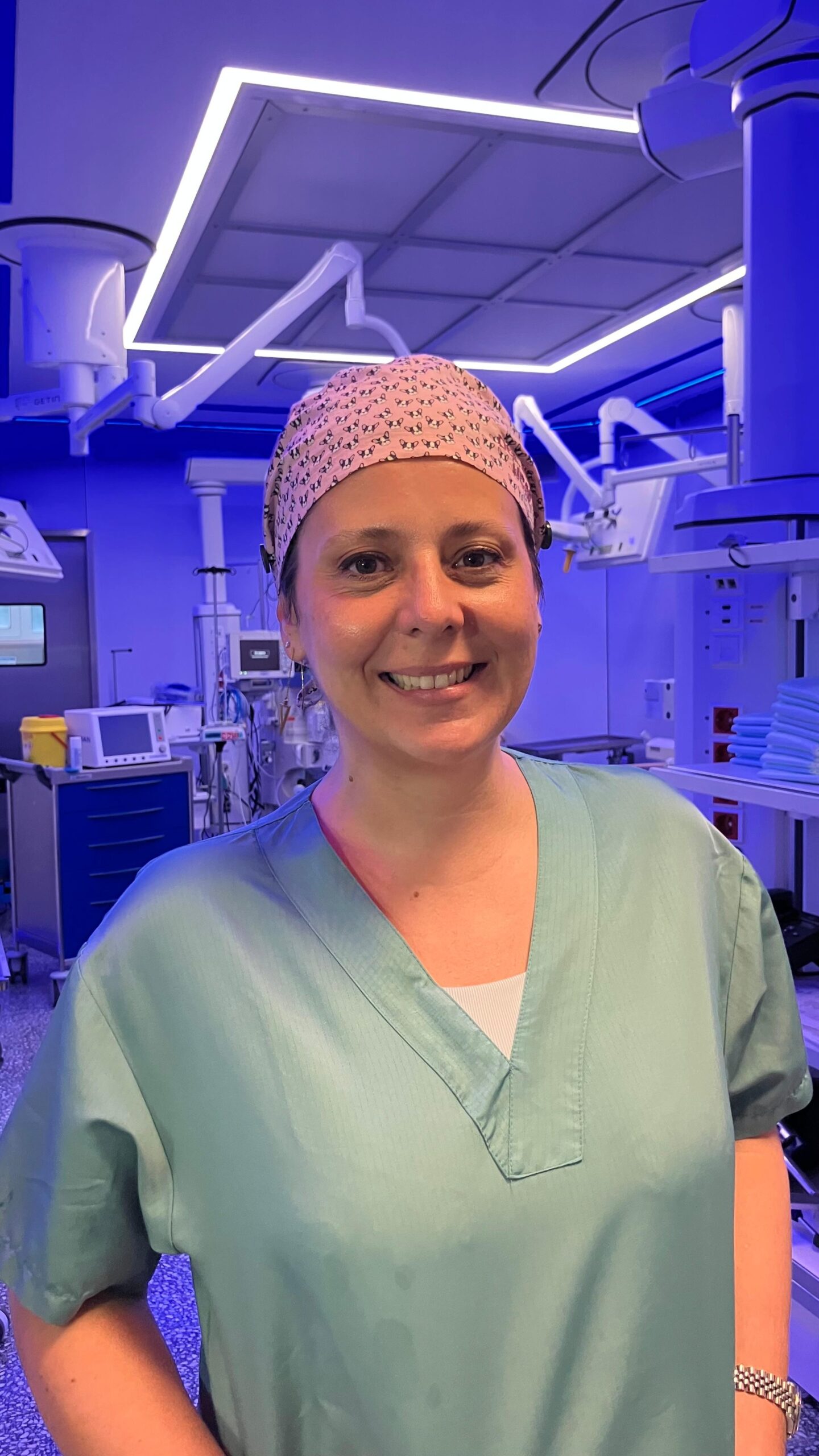
Peritoneal surgery is one of the most complex and highly specialized areas in modern medicine. Patients facing severe diagnoses and difficult prognoses find at the Peritoneal Cancer Institute (PCI), led by Dr. Lana Bijelic and Dr. Domenico Sabia, a pioneering European center with international reach. It is a place where expertise, innovation, and human-centered care come together to change lives.
At PCI, these specialists lead a multidisciplinary team at the forefront of treating peritoneal cancer, pseudomyxoma peritonei, peritoneal carcinomatosis, and peritoneal metastases originating from ovarian, colon, stomach, appendix, and pancreatic tumors, among others.
From Curiosity to Extreme Specialization
Since she began her medical career, Lana Bijelic knew she wanted to specialize in surgery. “At first, I didn’t know exactly which discipline to choose, but I knew it had to be something surgical”, she recalls. Her pursuit of excellence took her to the United States in 2001, in search of elite training. There, she began working with Dr. Paul Sugarbaker, a pioneer in peritoneal surgery and the treatment of carcinomatosis, quickly realized she had found the specialty to which she wanted to dedicate her entire professional career.
“I like the impossible. At that time, Sugarbaker was offering treatment to patients who were, in a way, considered beyond help. Working with him made me completely fall in love with this type of surgery, which pushes the limits of what is considered possible. I also fell in love with the personalized care he gave each patient, something I learned from him”, she explains. During nearly a decade working alongside Sugarbaker, first as a subspecialist and later as the leader of a team in Washington, Dr. Bijelic faced numerous cases that many considered impossible to treat.
Advances that Make a Difference
In PCI, the approach is not only surgical but multidisciplinary: each patient receives a comprehensive analysis of the tumor, molecular profiling, and an oncological evaluation. The multidisciplinary team of physicians reviews each case in detail and plans a personalized treatment. Thanks to the advancements in surgery and medical oncology, diseases that were considered terminal a few years ago now have treatment options that improve patients’ survival and quality of life.
“An expert opinion on the surgical options is one of the most important steps. The experience of the team can make the difference between gaining or losing treatment opportunities”, Lana explains. The PCI experts have performed more than 2,000 surgeries, around 140 procedures per year.
The Creation of Peritoneal Cancer Institute
Lana Bijelic and Domenico Sabia crossed paths for years at international conferences.”It was a natural progression for us to end up working together. We had already collaborated on some projects and knew it would be very easy. Moreover, the combination of our experiences, extensive yet different, acquired in various hospitals and across different continents, allows us to offer something truly unique. Working together, what each of us contributes doesn’t just add up; it multiplies”, she says. Together, they created this unique center in Spain, dedicated exclusively to peritoneal surgery, with an international and highly specialized approach.
“This allows us to treat a large volume of complex cases, drive cutting-edge research, and train new surgeons”, she concludes.
Research and Training: Pillars of Progress
For Bijelic, research is fundamental: “You learn a great deal through multi-institutional clinical trials and international collaborations”. Among her most recent projects is a study on pseudomyxoma peritonei developed between Spain, Italy, and the United Kingdom, which promises to provide new foundations for future treatments.
Training new surgeons is also a fundamental pillar. Lana dedicates part of her time to teaching the complex techniques she uses and to guiding residents and specialists in a field that requires highly specific skills. “Training other colleagues is as important as operating”, she affirms.
Beyond technique and research, Lana emphasizes the importance of human interaction: “It is crucial to understand the patient; to know their values, priorities, and their family environment, because it directly influences how medical decisions will be made”. This philosophy positions PCI as a benchmark not only in surgical expertise but also in comprehensive patient care.
Looking Toward the Future
Throughout her career, Lana has contributed to publications in high-level journals such as the Annals of Surgical Oncology, including editorials on colorectal cancer and cytoreduction. She is currently preparing international collaborations and randomized clinical trials to improve surgical practice and outcomes for patients with arcinomatosis.
The field of peritoneal surgery continues to evolve, with new techniques, clinical trials, and a deeper understanding of tumor biology. However, Bijelic emphasizes that the real challenge is improving access to expert assessment and comprehensive diagnosis, especially for rare diseases where specialized expertise makes a significant difference.
Lana Bijelic and her team at PCI are not only advancing surgical techniques and innovative treatments, but also transforming the patient experience by combining clinical excellence, pioneering research, and humanized care, solidifying the Peritoneal Cancer Institute’s position as an international leader in peritoneal surgery.